
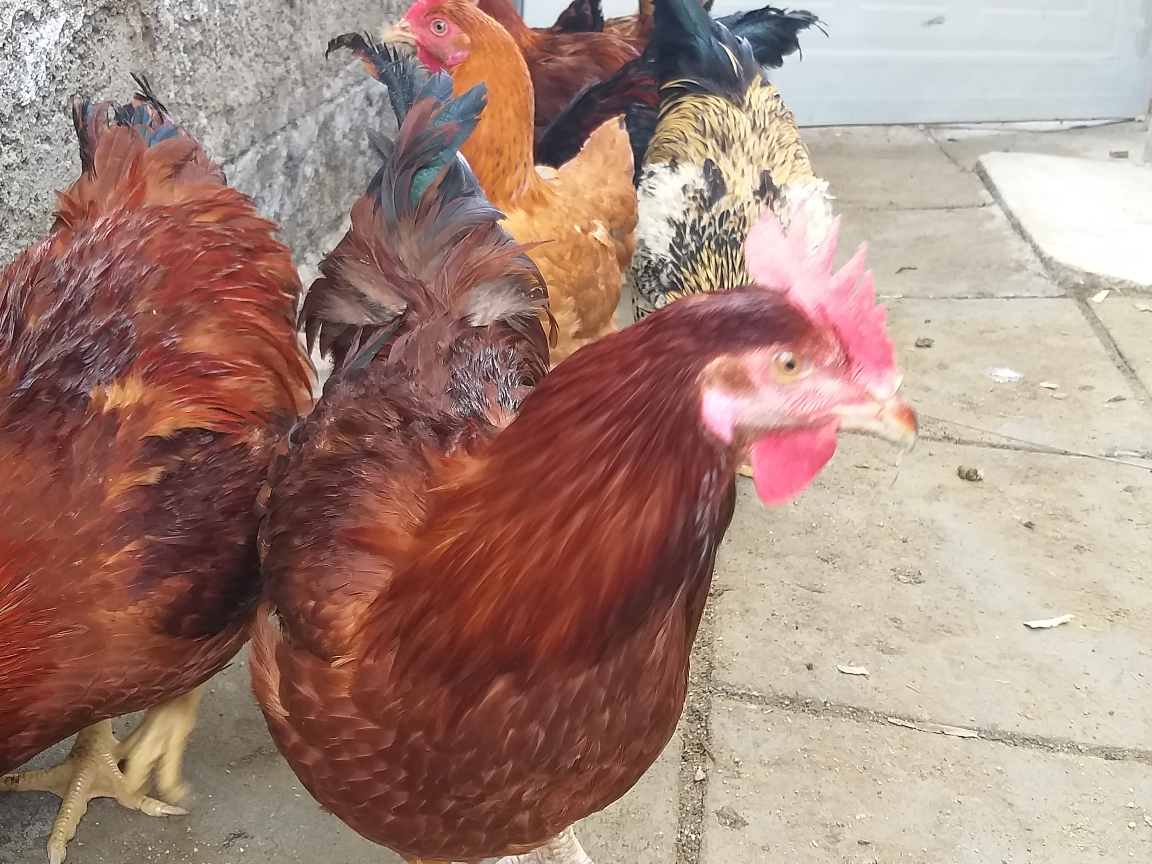
Description
Key characteristics
Faster growth: They reach market weight for meat much faster than traditional Kienyeji breeds.
- High productivity: They lay more eggs, and their meat quality is high.
- Larger size: Roosters can weigh significantly more than pure Kienyeji roosters.
- Resilience: They are more disease-resistant due to the hybrid nature of the crossbreeding.
- Adaptability: They adapt well to both free-range and commercial systems.
Advantages for farmers
- Shorter maturity period: This reduces the time to generate revenue.
- Increased profitability: Higher meat and egg yields lead to greater income.
- Lower disease costs: Improved disease resistance means fewer expenses on drugs.
- Suitable for commercial farming: Their combination of traits makes them ideal for large-scale, profitable operations.
Management and feeding
-
Vaccination:Chicks need to be vaccinated from day one and at specific intervals to protect against common diseases.
-
Feeding:While they can forage on a free-range system, they require quality commercial feeds, which can be supplemented with vegetables.
-
Hygiene:Maintaining cleanliness in the coop and practicing biosecurity, such as dipping feet at entry points, is crucial to prevent disease.

Reviews
There are no reviews yet.